Amylin Peptide Research. In the study of neuroendocrine control of energy balance, Amylin (also known as Islet Amyloid Polypeptide, or IAPP) occupies a foundational position alongside insulin. Co-secreted by pancreatic beta cells in response to nutrient intake, this 37-amino acid peptide plays a direct role in regulating postprandial glucose dynamics, gastric emptying rates, and central satiety signaling. For investigators evaluating dual-acting metabolic control models, understanding Amylin peptide research parameters is essential for designing robust in vitro and in vivo assays.
1. Molecular Signaling via Calcitonin Receptor Complexes
Amylin exerts its biological effects by binding to complex receptor sites formed by the co-expression of the Calcitonin Receptor (CTR) and Receptor Activity-Modifying Proteins (RAMPs). This interaction initiates specific intracellular signaling cascades:
Amylin Binding ➔ CTR + RAMP Activation ➔ Intracellular cAMP Accumulation ➔ Area Postrema Neurosignaling ➔ Satiety Regulation
By activating signaling centers in the hindbrain (specifically the area postrema), Amylin modulates nutrient intake without inducing central nervous system toxicity, making it a critical control asset in metabolic pathway design.
2. Primary Preclinical Assay Applications
Current laboratory literature highlights several key areas where Amylin reagents are utilized to track metabolic responses:
- Gastric Emptying Kinetics: Evaluating how receptor engagement slows post-nutrient gastric motility in tissue models.
- Glucagon Suppression Assays: Mapping the selective downregulation of postprandial glucagon secretion without inhibiting basal hormone levels.
- Synergistic Co-Agonism: Studying the additive effects of combining Amylin receptor agonism with GLP-1 or Leptin signaling networks.
Source HPLC-Verified Amylin Reagents
Access high-purity, analytical-grade Amylin (IAPP) research vials for your metabolic and neuroendocrine signaling models.
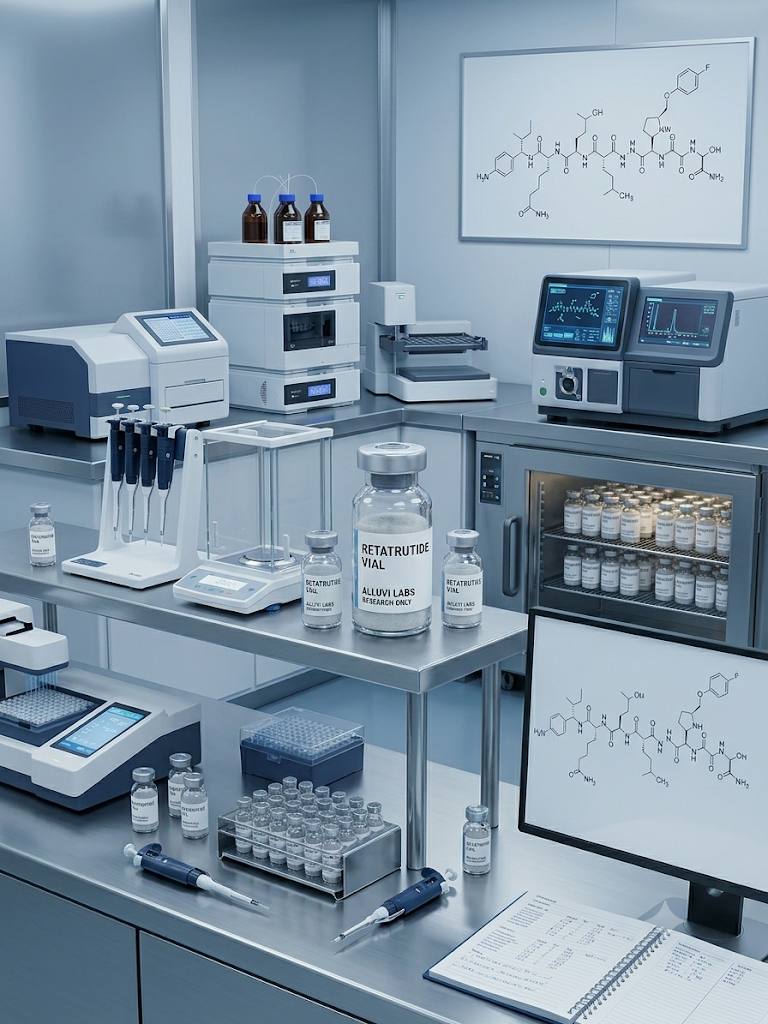
View Amylin Product Details Figure 1: High-Purity Amylin (IAPP) Sequence Assets for Preclinical Testing.
3. Storage and Reconstitution Standards
Because native Amylin peptides can exhibit aggregation tendencies if exposed to thermal fluctuations or improper pH balances, long-term storage requires dedicated cold-chain management:
- Store un-reconstituted, lyophilized vials at -20°C or colder.
- Reconstitute using sterile, laboratory-grade buffers strictly according to protocol guidelines.
- Avoid repeated freeze-thaw cycles by aliquoting solutions into single-use experimental volumes.
⚠️ Preclinical Integrity Notice
All laboratory assets documented within this registry are distributed exclusively for verified laboratory research, analytical control trials, and foundational in vitro testing models. This chemical compound is strictly not approved for human therapeutic, clinical, veterinary, or diagnostic administration.