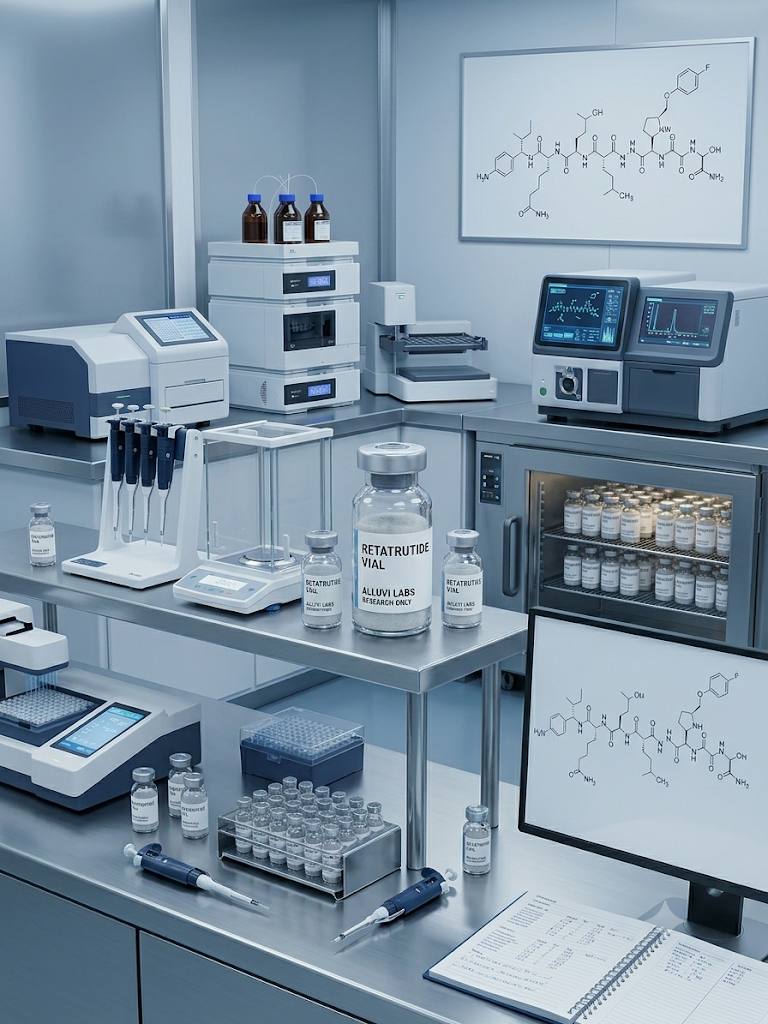
Dihexa Peptide, In the study of neuroplasticity and cognitive repair mechanisms, Dihexa (N-hexanoic-Tyr-Ile-(6) aminohexanoic amide) represents an exceptionally potent oligopeptide derivative of angiotensin IV. Designed to overcome the rapid metabolic degradation typical of native peptide fragments, Dihexa exhibits ultra-high affinity for Hepatocyte Growth Factor (HGF) and its receptor, c-Met. For investigators modeling dendritic spine formation, synaptogenesis, and neurorestorative pathways, establishing precise laboratory protocols for Dihexa peptide research is critical.
1. High-Affinity HGF/c-Met Receptor Potentiation
Dihexa acts as a potent potentiator of HGF activity, binding to the receptor with picomolar affinity. This binding event facilitates HGF dimerization and downstream intracellular activation cascades:
Dihexa Binding ➔ HGF Dimerization ➔ c-Met Receptor Autophosphorylation ➔ Akt/MAPK Cascade ➔ Spinogenesis & Synaptogenesis
By amplifying c-Met signaling pathways, Dihexa accelerates the formation of new functional synaptic connections, providing an extraordinary model for studying cellular neuroplasticity and cognitive decline mitigation.
2. Primary Preclinical Assay Applications
Neuroscience laboratories incorporate high-purity Dihexa across several key experimental parameters:
- Dendritic Spine Density Assays: Quantifying spinogenesis and morphological arborization in neuronal tissue cultures.
- Cognitive Deficit Repair Models: Measuring functional recovery metrics in animal models of neurodegeneration and brain injury.
- Pro-Survival Signaling Mapping: Tracking downstream intracellular pathways (e.g., PI3K/Akt, Erk/MAPK) involved in anti-apoptotic neuronal protection.
In addition to cognitive research models, laboratories frequently examine tissue repair research peptides like BPC-157 and TB-500 to evaluate systemic cellular recovery pathways.
Source High-Purity Dihexa Research Reagents
Access analytical-grade, HPLC-verified Dihexa vials engineered for maximum stability and reproducible neurobiological assays.
View Dihexa Product Details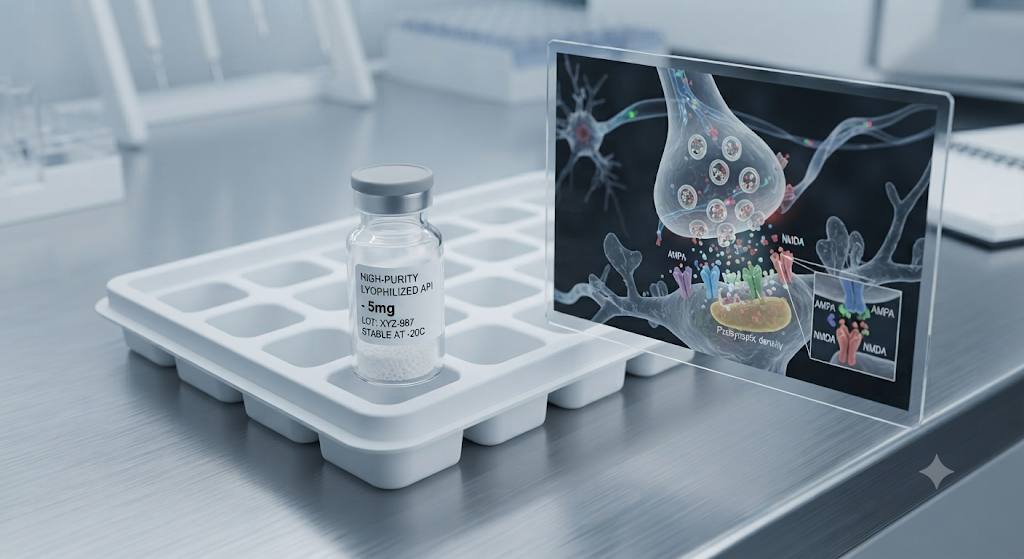 Figure 1: Analytical-Grade Dihexa Reagents for Neurobiological Research.
3. Reconstitution & Sub-Zero Storage Standards
To preserve structural stability and maintain assay precision, strictly observe standard cold-chain parameters:
- Store un-reconstituted lyophilized powder at -20°C or lower upon receipt.
- Reconstitute using laboratory-grade solvents (e.g., DMSO or sterile buffer solutions as required by protocol) in controlled conditions.
- Aliquot working solutions to avoid structural degradation caused by repetitive freeze-thaw cycles.
⚠️ Preclinical Integrity Notice
All laboratory assets documented within this registry are distributed exclusively for verified laboratory research, analytical control trials, and foundational in vitro testing models. This chemical compound is strictly not approved for human therapeutic, clinical, veterinary, or diagnostic administration.