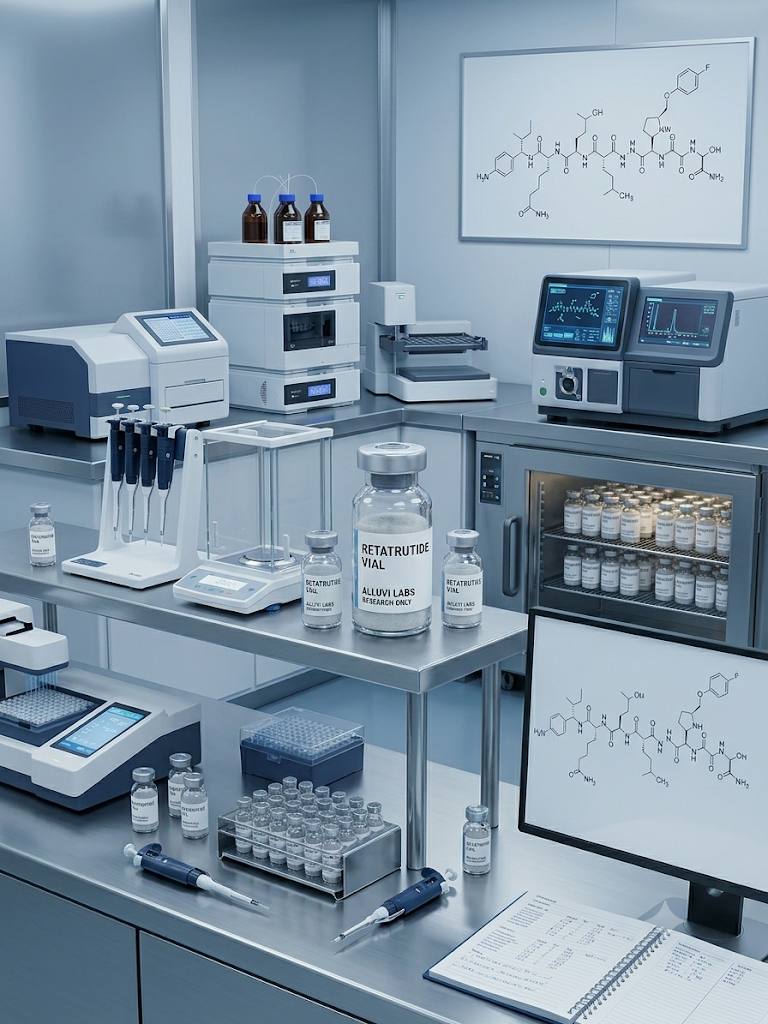
What is BPC-157? A Complete Research Overview and Mechanism Breakdown
Introduction
BPC-157 is a synthetic peptide that has gained significant attention in scientific and preclinical research settings due to its potential role in studying tissue response and cellular repair mechanisms.
The peptide is derived from a partial sequence of a naturally occurring protein found in gastric juice, and it has been investigated in laboratory models for its interactions with various biological pathways related to healing and cellular signaling.
This article provides a purely educational and research-focused overview of BPC-157, including how it is studied, what mechanisms are currently being investigated, and where scientific understanding currently stands.
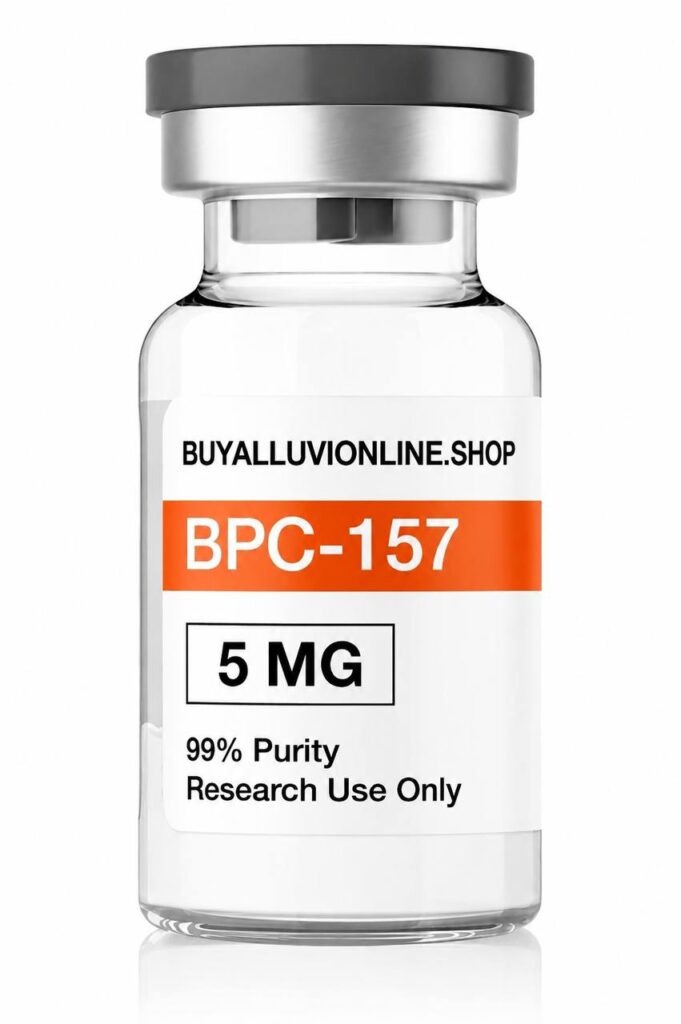
Biological Origin and Structure of BPC-157
BPC-157 stands for “Body Protection Compound-157”, a sequence of 15 amino acids.
It is a synthetic peptide fragment derived from a protective protein found in the gastric system.
In research environments, it is studied for:
Cellular signaling activity
Tissue response mechanisms
Interaction with growth factor pathways
Unlike fully characterized pharmaceutical compounds, BPC-157 remains primarily in the preclinical research stage, meaning most available data comes from laboratory and animal studies.
How BPC-157 is Studied in Scientific Research
In research settings, BPC-157 is commonly evaluated through:
- In vitro studies (cell-based models)
Researchers observe:
- Cell migration behavior
- Fibroblast activity
- Protein expression changes
- In vivo studies (animal models)
Research models examine:
- Tissue response patterns
- Vascular activity
- Cellular repair signaling pathways
- Molecular pathway analysis
Scientists investigate how BPC-157 may interact with:
- Growth factor signaling systems
- Nitric oxide pathways
- Angiogenesis-related mechanisms
Researchers evaluating complementary systemic pathways can also buy HMG peptide reagents to study dual gonadotropin receptor signaling in specialized endocrine trials.
Proposed Mechanisms of Action (Research Context Only)
Current research suggests several possible biological pathways associated with BPC-157, though none are fully confirmed in large-scale human studies.
- Angiogenesis-related signaling
Some studies suggest BPC-157 may be involved in:
- Blood vessel formation pathways
- Vascular response signaling
- Endothelial activity modulation
- Collagen and tissue response research
Laboratory models have explored its role in:
- Fibroblast activation
- Extracellular matrix signaling
- Tissue remodeling processes
- Nervous system interaction studies
Early-stage research has examined:
- Nerve regeneration models
- Neuroprotective signaling pathways (preclinical)
Research Applications of BPC-157
BPC-157 is studied in experimental contexts such as:
Musculoskeletal research models
Used to observe:
- Tendon response behavior
- Muscle tissue repair signaling
- Ligament regeneration models
Gastrointestinal research models
Because of its origin, it is also studied in:
- Gastric tissue protection models
- Gut lining integrity research
Soft tissue repair studies
Research explores:
- Wound healing pathways
- Connective tissue response mechanisms
Scientific Limitations and Current Status
While interest in BPC-157 is high, it is important to understand its limitations:
- Most data comes from animal or in vitro studies
- Human clinical data is limited
- Mechanisms are not fully confirmed in large-scale trials
- It is classified as a research compound, not a widely approved therapeutic agent
Because of this, conclusions about effects in humans remain scientifically inconclusive at this stage.
Why BPC-157 Is Widely Studied in Research
BPC-157 continues to be explored due to:
- Broad biological activity in early studies
- Multi-system research interest (gut, muscle, connective tissue)
- Potential involvement in fundamental cellular pathways
- High relevance in experimental peptide research
Summary
BPC-157 is a synthetic peptide widely studied in preclinical research for its potential involvement in cellular signaling, tissue response, and biological repair mechanisms.
While early research findings are promising in controlled models, its effects in humans remain insufficiently studied, and it should be understood strictly within a research and scientific context.