BPC-157 vs TB-500: Key Differences in Research Models
Introduction
BPC-157 and TB-500 are two peptides frequently discussed in scientific and preclinical research involving tissue response, cellular signaling, and regenerative mechanisms.
Although both compounds are often examined within similar research categories, they differ significantly in:
- Biological origin
- Molecular activity
- Cellular pathways
- Experimental applications
This article provides a research-focused comparison of BPC-157 and TB-500 and explains how scientists investigate these peptides in laboratory settings.
What is BPC-157?
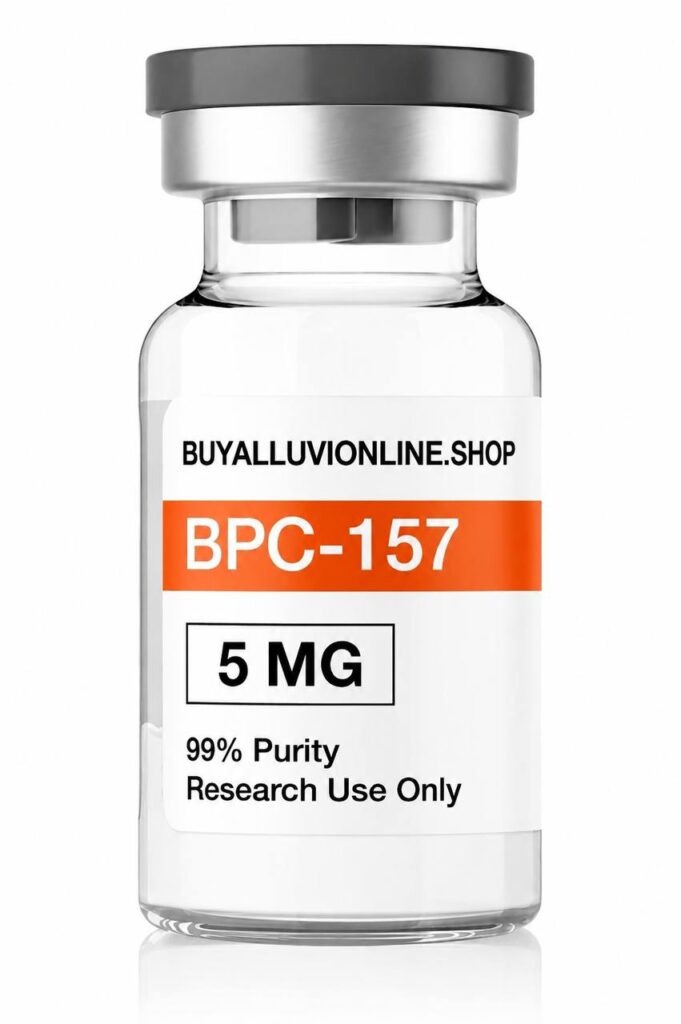
BPC-157 is a synthetic peptide derived from a protein fragment associated with gastric tissue.
Research commonly investigates:
- Tissue response signaling
- Angiogenesis-related pathways
- Fibroblast activity
- Gastrointestinal protective models
BPC-157 is often studied in experimental settings involving:
- Tendons
- Ligaments
- Muscle tissue
- Gastric tissue
What is TB-500?
TB-500 is a synthetic peptide fragment related to thymosin beta-4, a naturally occurring protein involved in cellular migration and actin regulation.
Research surrounding TB-500 commonly focuses on:
- Cell migration
- Cytoskeletal organization
- Tissue remodeling pathways
- Cellular regeneration signaling
TB-500 is frequently explored in:
- Musculoskeletal research
- Soft tissue response models
- Cellular movement studies

BPC-157 vs TB-500: Key Differences in Research Models
Key Mechanism Differences
BPC-157 Research Focus
Research involving BPC-157 often examines:
- Growth factor signaling
- Nitric oxide pathway interaction
- Blood vessel formation pathways
- Connective tissue response
Scientists study its role in localized tissue signaling and cellular repair communication.
TB-500 Research Focus
TB-500 research commonly investigates:
- Actin-binding mechanisms
- Cellular migration
- Tissue remodeling
- Cytoskeletal structure regulation
It is often associated with broader systemic cellular movement pathways.
Angiogenesis and Vascular Research
Both peptides are studied in relation to angiogenesis, but through different proposed mechanisms.
BPC-157
Research models often evaluate:
- Endothelial signaling
- Vascular response pathways
- Blood flow-related mechanisms
TB-500
Studies focus more on:
- Cellular migration involved in tissue remodeling
- Cytoskeletal flexibility during repair processe
Tissue Research Applications
BPC-157 Studies
Frequently investigated in:
- Tendon response models
- Gastrointestinal tissue studies
- Ligament research
- Muscle tissue signaling
TB-500 Studies
Commonly explored in:
- Cellular migration studies
- Soft tissue remodeling
- Regenerative tissue models
- Musculoskeletal response pathways
Scientific Limitations
Both peptides remain under active scientific investigation.
Current limitations include:
- Limited large-scale human studies
- Heavy reliance on preclinical models
- Incomplete long-term safety data
- Ongoing mechanism evaluation
Conclusions remain preliminary in many research areas.
Summary
BPC-157 and TB-500 are both widely discussed research peptides, but they differ in their biological roles and the pathways scientists investigate.
BPC-157 research often centers around localized tissue signaling and vascular pathways, while TB-500 studies focus more heavily on cellular migration and cytoskeletal organization.
As scientific investigation continues, both compounds remain important subjects within experimental peptide research.