GLP-1 vs GIP vs Glucagon: Understanding the Hormonal Pathways in Metabolic Research
Introduction
GLP-1, GIP, and glucagon are three important hormonal signaling pathways studied extensively in metabolic and endocrine research.
These hormones are involved in complex biological systems related to:
- Glucose regulation
- Appetite signaling
- Energy balance
- Insulin communication
- Metabolic homeostasis
recent years, scientific interest in these pathways has expanded significantly due to research involving incretin-based and multi-receptor peptide compounds.
Researchers study how these hormones interact individually and collectively to better understand metabolic signaling networks within the body.
This article provides a scientific overview of:
- GLP-1 signaling
- GIP receptor pathways
- Glucagon activity
- Key differences between these hormones
- Their role in metabolic peptide research
What Are Hormonal Signaling Pathways?
Hormonal signaling pathways are communication systems that allow organs and cells to exchange biological information.
Hormones act as chemical messengers that bind to specific receptors and trigger cellular responses.
Researchers study these pathways because they regulate essential biological functions such as:
- Energy metabolism
- Nutrient utilization
- Appetite communication
- Glucose signaling
- Endocrine coordination
GLP-1, GIP, and glucagon are all part of this broader hormonal communication network.
What is GLP-1?
GLP-1 stands for glucagon-like peptide-1, an incretin hormone produced primarily in the intestine after nutrient intake.
Researchers study GLP-1 because of its role in:
- Glucose-dependent insulin signaling
- Appetite-related pathways
- Gastric signaling mechanisms
- Energy balance communication
GLP-1 receptors are located in several tissues involved in metabolic regulation.
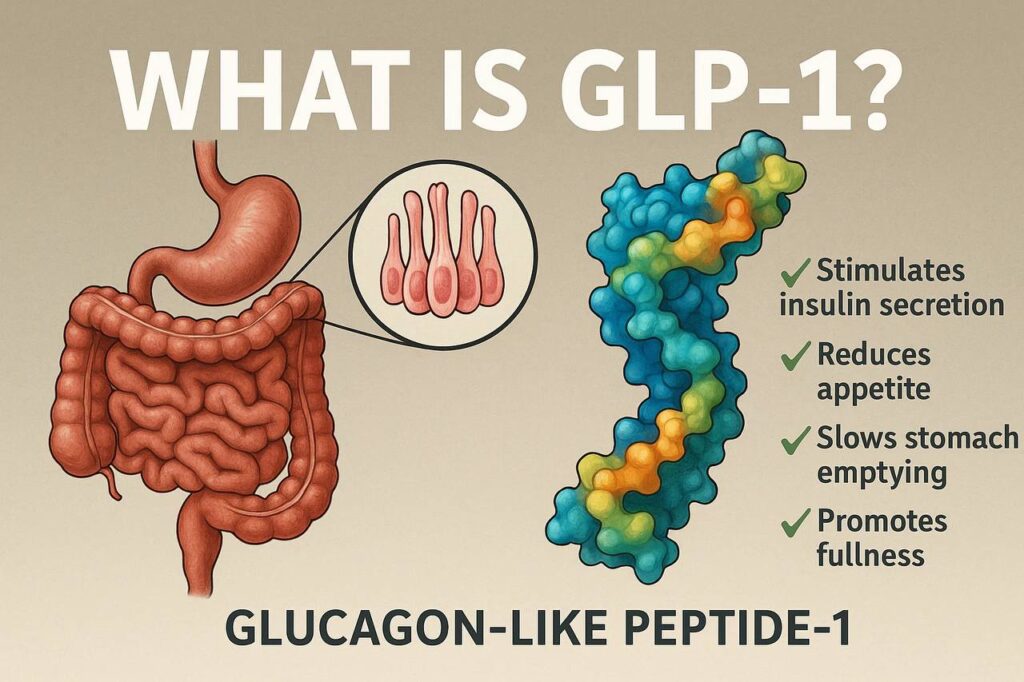
GLP-1 Signaling Pathway
Research involving GLP-1 commonly investigates:
- Insulin-related communication systems
- Appetite signaling pathways
- Gastrointestinal hormone response
- Central nervous system signaling
Scientists analyze how GLP-1 receptor activation influences metabolic coordination within biological systems.
Why GLP-1 is Important in Research
GLP-1 research has expanded rapidly because this pathway may influence multiple metabolic systems simultaneously.
Researchers investigate its possible involvement in:
- Nutrient-response signaling
- Satiety communication
- Glucose regulation pathways
- Hormonal coordination networks
This pathway remains one of the most active areas of metabolic peptide research.
What is GIP?
GIP stands for glucose-dependent insulinotropic polypeptide, another incretin hormone involved in metabolic signaling.
GIP is released in response to nutrient intake and participates in endocrine communication systems related to metabolism.
Researchers study GIP because it may influence:
- Insulin signaling pathways
- Nutrient-response communication
- Energy balance systems
- Hormonal coordination mechanisms
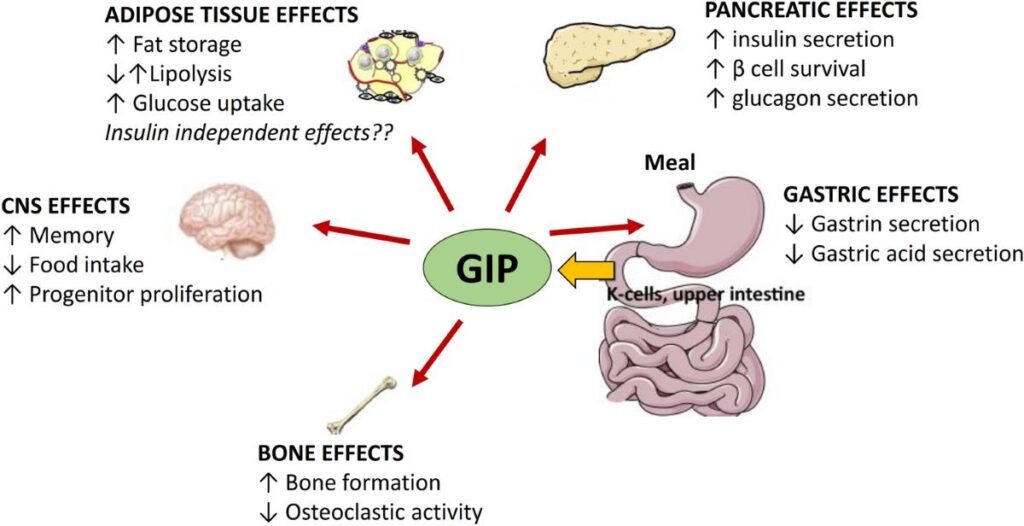
GIP Receptor Pathway
Scientific studies involving GIP focus on:
- Receptor activation patterns
- Endocrine signaling pathways
- Metabolic communication systems
- Cellular energy regulation
GIP is frequently studied alongside GLP-1 due to their interconnected roles in incretin biology.
Why GIP Research is Expanding
Interest in GIP research has increased significantly because scientists are exploring how combined incretin signaling may affect metabolic regulation.
Researchers continue studying:
- GIP receptor interactions
- Hormonal feedback systems
- Metabolic signaling coordination
- Dual receptor pathway activity
This has contributed to growing research involving dual agonist peptides.
What is Glucagon?
Glucagon is a hormone produced by pancreatic alpha cells and is studied for its role in energy mobilization and glucose signaling.
Unlike incretin hormones, glucagon is associated with pathways involved in:
- Glucose release signaling
- Liver metabolic activity
- Energy utilization systems
- Fuel mobilization pathways
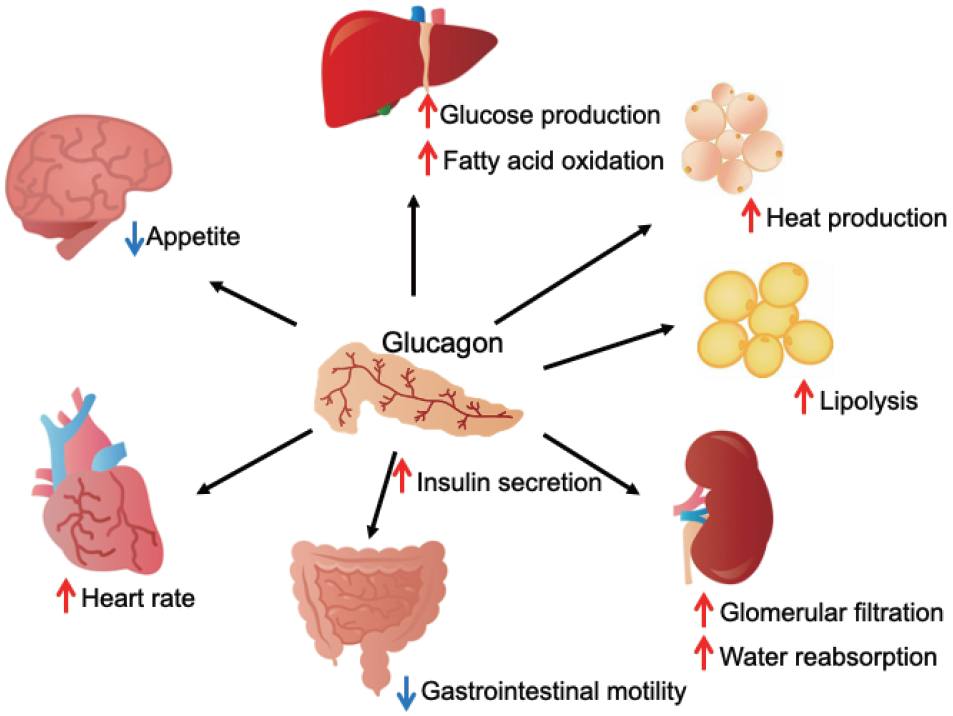
Researchers investigate glucagon because it plays an important role in maintaining metabolic balance.
Glucagon Signaling Pathway
Glucagon receptor activation is studied in relation to:
- Hepatic glucose production
- Energy expenditure pathways
- Metabolic adaptation systems
- Nutrient utilization signaling
This pathway is increasingly being studied alongside incretin systems in modern metabolic research.
Why Glucagon Research Matters
Scientists are interested in glucagon signaling because it may influence:
- Energy output systems
- Metabolic flexibility
- Hormonal balance
- Fuel utilization pathways
Research involving glucagon has expanded with the development of multi-receptor peptide compounds.
GLP-1 vs GIP vs Glucagon: Key Differences
Although all three hormones are involved in metabolic regulation, they function through different biological pathways.
| Hormone | Primary Research Focus | Main Biological Association |
|---|---|---|
| GLP-1 | Appetite and insulin signaling | Incretin communication pathways |
| GIP | Nutrient-response signaling | Endocrine metabolic coordination |
| Glucagon | Energy mobilization | Glucose release and metabolic fuel regulation |
Researchers study how these systems interact together rather than functioning indepe
Incretin Hormones vs Glucagon Pathways
GLP-1 and GIP are classified as incretin hormones because they are released in response to nutrient intake and participate in insulin-related signaling systems.
Glucagon functions differently by participating more heavily in:
- Energy mobilization
- Glucose release mechanisms
- Metabolic fuel regulation
Modern research increasingly examines how incretin and glucagon pathways coordinate together within broader endocrine systems.
Multi-Receptor Peptide Research
Recent scientific developments have led to increased research involving:
- Dual agonist peptides
- Triple agonist peptides
- Multi-pathway receptor activation
Examples include:
Tirzepatide (GLP-1 + GIP)
Retatrutide (GLP-1 + GIP + glucagon)
Researchers investigate how combined receptor activation may influence:
- Metabolic efficiency
- Hormonal signaling coordination
- Energy regulation pathways
Challenges in Hormonal Research
Hormonal signaling systems are highly complex.
Researchers continue studying:
- Feedback regulation systems
- Receptor sensitivity
- Long-term metabolic adaptation
- Biological variability between individuals
These factors make metabolic peptide research an evolving scientific field.
Scientific Limitations
Current limitations include:
- Ongoing investigation into long-term effects
- Complex receptor interaction systems
- ariability across biological models
- Incomplete understanding of multi-pathway signaling
As a result, scientific conclusions continue evolving as research expands.
Why This Area of Research Continues to Grow
Interest in GLP-1, GIP, and glucagon pathways continues expanding because these systems play central roles in metabolic regulation.
Researchers remain interested in:
- Hormonal communication systems
- Appetite-related signaling
- Energy balance pathways
- Endocrine coordination mechanisms
The development of dual and triple receptor agonist peptides has accelerated scientific interest in this field.
Related Research Articles
Tirzepatide: Dual GLP-1/GIP Research Overview
Retatrutide Triple Agonist Research Overview
What Are Research Peptides? Complete Scientific Overview
Peptide Storage and Stability Guide
Peptide Reconstitution for Laboratory Research
Final Summary
GLP-1, GIP, and glucagon are important hormonal signaling pathways studied extensively in metabolic and endocrine research.
Each pathway contributes differently to:
- Energy regulation
- Hormonal communication
- Glucose signaling
- Metabolic coordination
Modern peptide research increasingly focuses on how these pathways interact together through multi-receptor activation systems.
As scientific understanding continues to evolve, GLP-1, GIP, and glucagon research remains one of the fastest-growing areas within metabolic and peptide-related biology.