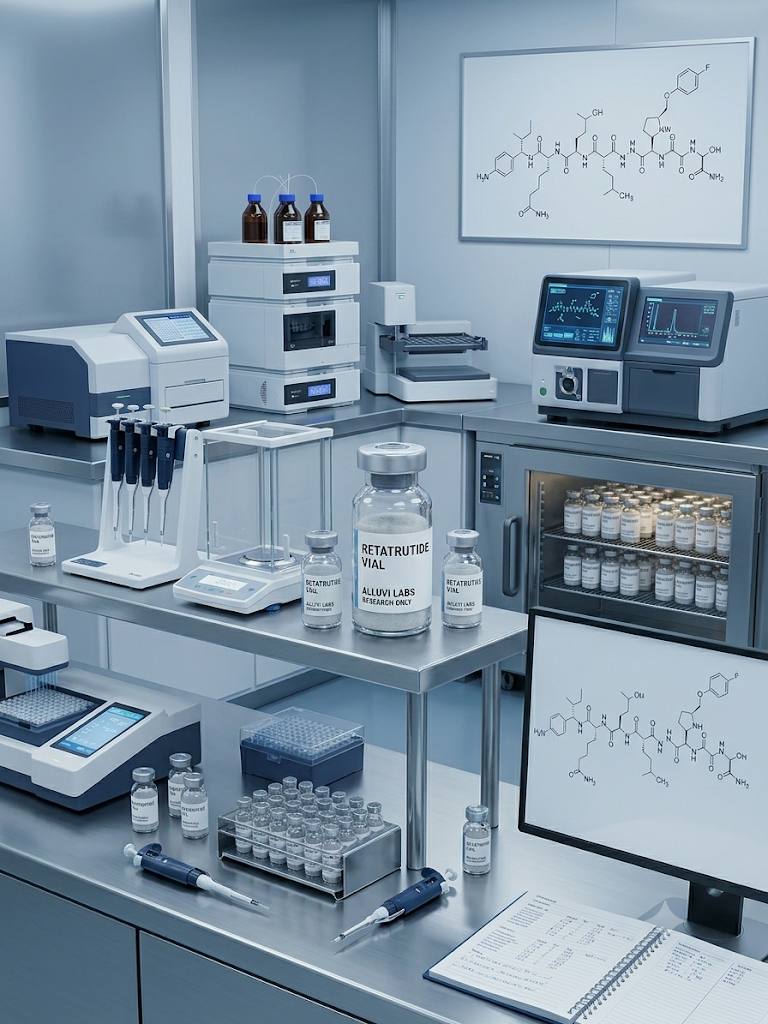
How Peptides Are Reconstituted for Research Use
Introduction
Peptide reconstitution refers to the laboratory process of transforming a lyophilized peptide powder into a liquid solution for experimental use.
Researchers follow careful preparation procedures to help maintain:
- Molecular stability
- Sterility
- Experimental consistency
Because peptides are sensitive biological compounds, preparation methods are considered an important part of laboratory handling practices.
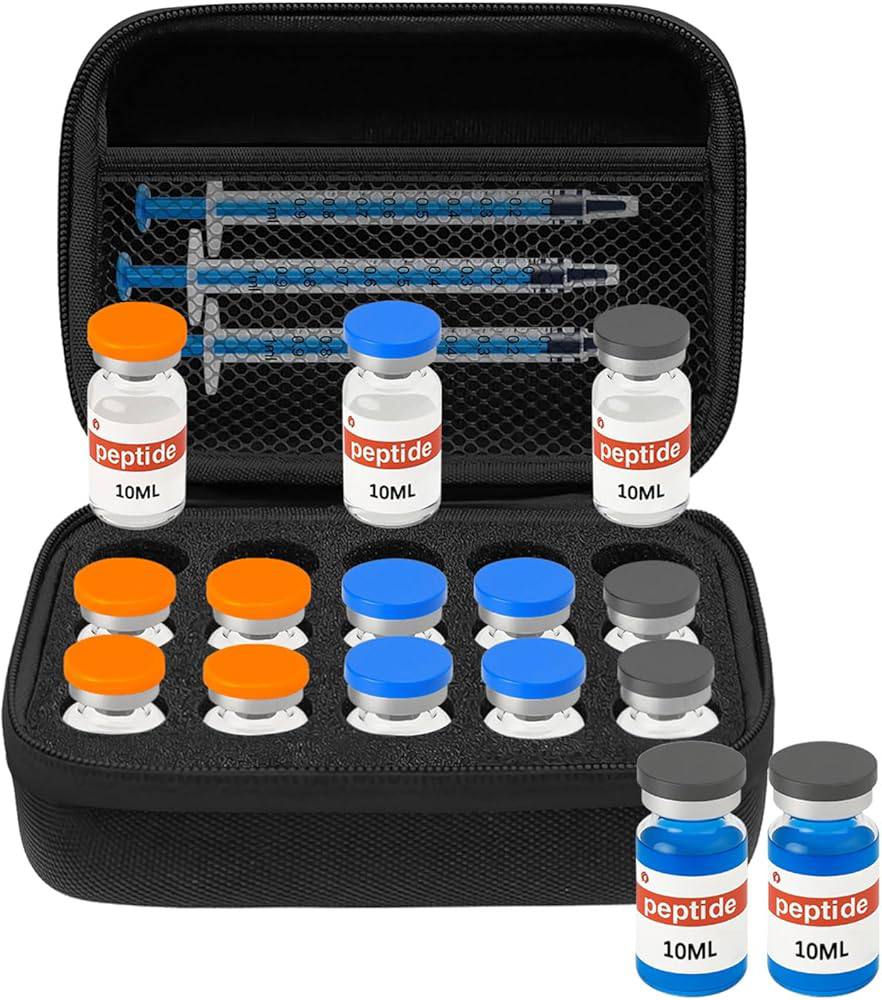
What Does Reconstitution Mean?
Most research peptides are supplied in:
- Lyophilized (freeze-dried) form
Before experimental use, researchers combine the powder with a liquid solvent to create a solution suitable for laboratory applications.
This process is called reconstitution.
Why Peptides Are Lyophilized
Freeze-drying helps:
- Improve storage stability
- Reduce degradation
- Extend shelf life in controlled environments
Lyophilized peptides are generally more stable than peptides already in solution.
Common Laboratory Solvents
Researchers may use different solvents depending on:
- Peptide sequence
- Solubility profile
- Research requirements
Commonly referenced laboratory solvents include:
- Bacteriostatic water
- Sterile water
- Buffered laboratory solutions
Solvent selection varies based on experimental design.
Scientific Handling Considerations
Researchers commonly focus on:
- Sterile preparation conditions
- Controlled temperature exposure
- Gentle mixing techniques
- Avoiding excessive agitation
Improper handling may contribute to:
- Structural instability
- Foam formation
- Peptide degradation
Storage After Reconstitution
Once peptides are in solution, stability may change significantly.
Researchers monitor:
- Refrigeration conditions
- Exposure duration
- Freeze-thaw frequency
- Contamination risks
Storage practices vary depending on the peptide and research protocol.
Research Limitations and Variability
Different peptides may behave differently after reconstitution.
Factors influencing stability include:
- Amino acid structure
- pH levels
- Solvent composition
- Environmental conditions
Because of this, laboratory protocols may vary between compounds.
Summary
Peptide reconstitution is an important laboratory preparation step used to transform lyophilized peptides into research solutions.
Proper handling, solvent selection, and storage conditions all contribute to maintaining peptide integrity in experimental settings.