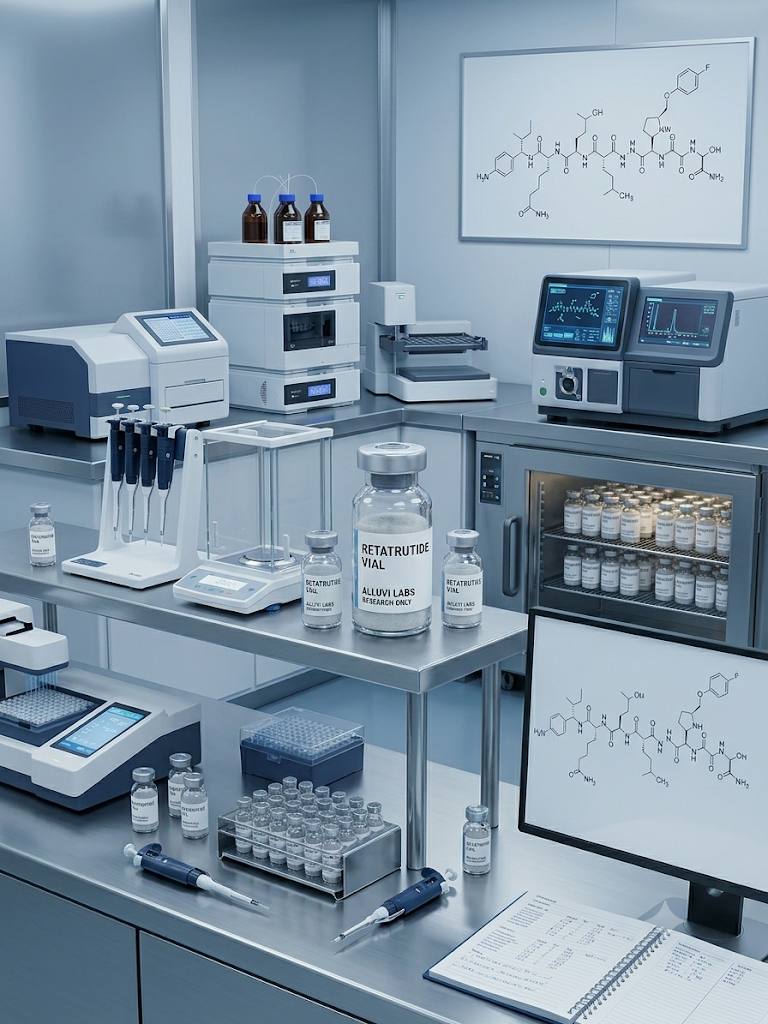
TB-500 Research Overview and Biological Role in Cellular Studies (Thymosin Beta-4 Fragment):
Introduction
TB-500 is a synthetic peptide commonly studied in scientific and preclinical research related to cellular migration, tissue remodeling, and regenerative signaling pathways.
The compound is associated with thymosin beta-4, a naturally occurring peptide involved in several biological processes connected to cell movement and structural organization.
Researchers investigate TB-500 in laboratory settings to better understand:
- Cellular communication systems
- Tissue response mechanisms
- Cytoskeletal organization
- Angiogenesis-related pathways
This article provides an educational overview of TB-500, including its biological background, proposed mechanisms, scientific applications, and current research limitations.
What is TB-500?
TB-500 is a synthetic peptide fragment modeled after thymosin beta-4, a naturally occurring peptide found in many tissues throughout the body.
Thymosin beta-4 is involved in several biological functions related to:
- Cellular migration
- Tissue organization
- Actin regulation
- Wound response pathways
TB-500 is studied as a research compound because scientists are interested in how thymosin-related peptides may influence cellular signaling and tissue remodeling processes.
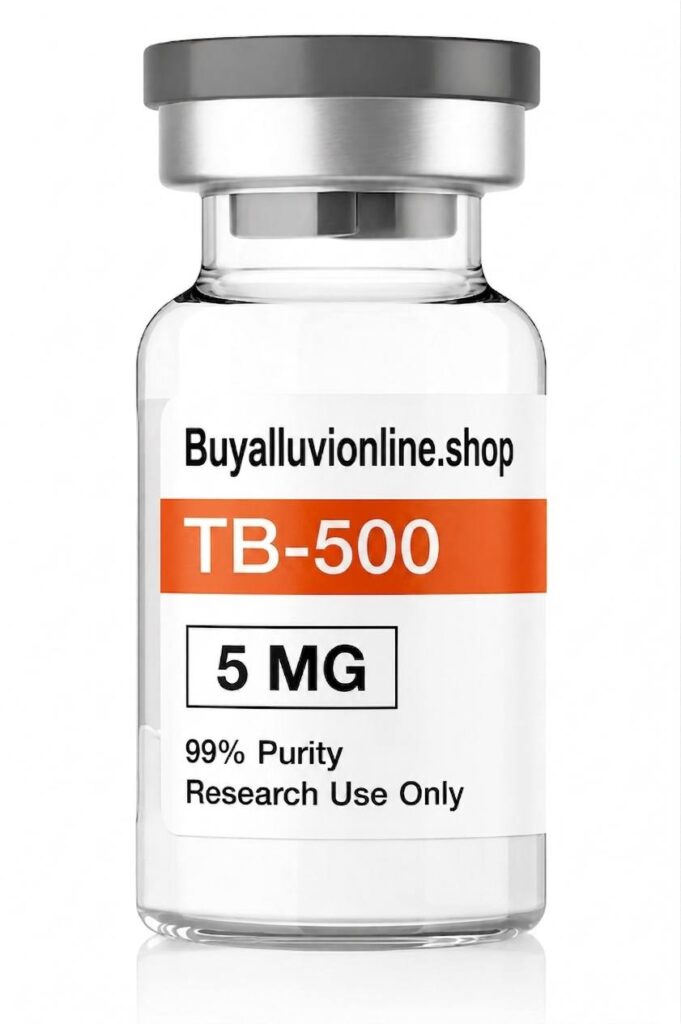
Biological Role of Thymosin Beta-4
Thymosin beta-4 is known for its relationship with actin, an important structural protein involved in cellular movement and organization.
Actin plays a role in:
- Cell shape maintenance
- Cellular migration
- Structural integrity
- Tissue repair communication
Research involving TB-500 often focuses on how actin-regulating peptides may influence biological repair systems and tissue-related signaling pathways.
How TB-500 is Studied in Scientific Research
Researchers study TB-500 through a variety of laboratory models and molecular analysis methods.
In Vitro Cellular Studies
Cell-based research models investigate:
- Cell migration patterns
- Fibroblast behavior
- Cytoskeletal organization
- Tissue remodeling signaling
Scientists observe how TB-500-related pathways may influence cellular communication and movement.
In Vivo Experimental Models
In vivo research examines:
- Tissue response behavior
- Musculoskeletal signaling pathways
- Connective tissue models
- Regenerative cellular mechanisms
These studies help researchers evaluate broader biological responses within living systems.
Molecular Pathway Research
Researchers investigate how TB-500 may interact with:
- Actin-binding pathways
- Angiogenesis-related signaling
- Extracellular matrix communication
- Cellular organization systems
This area remains under ongoing scientific evaluation.
Proposed Mechanisms of TB-500 (Research Context Only)
Several mechanisms are currently being explored in TB-500-related research.
Cellular Migration and Tissue Remodeling
One of the primary areas of investigation involves cellular migration.
Researchers study how TB-500-related pathways may influence:
- Cell movement
- Tissue organization
- Structural repair signaling
- Cellular regeneration communication
These processes are important in experimental models involving tissue remodeling.
Angiogenesis-Related Signaling
Some studies examine how TB-500 may interact with pathways associated with:
- Blood vessel formation
- Endothelial cell communication
- Vascular tissue response
Angiogenesis remains an important focus in regenerative and tissue-related research.
Cytoskeletal Organization
TB-500 is also studied for its connection to cytoskeletal regulation.
The cytoskeleton helps maintain:
- Cellular structure
- Movement
- Internal organization
- Mechanical stability
Researchers investigate how thymosin-related peptides may contribute to these systems.
Research Applications of TB-500
TB-500 is commonly studied in research areas involving tissue response and regenerative biology.
Musculoskeletal Research Models
Research investigates TB-500 in:
- Muscle tissue response studies
- Tendon signaling models
- Ligament research
- Connective tissue pathways
Scientists evaluate how cellular migration and structural organization pathways behave within these systems.
Soft Tissue and Regeneration Studies
Researchers also study TB-500 in:
- Wound response models
- Tissue remodeling experiments
- Cellular repair signaling studies
These investigations focus on communication pathways involved in tissue organization.
Cellular Communication Research
TB-500 is examined for its possible involvement in:
- Intercellular signaling
- Protein expression
- Structural communication systems
- Regenerative molecular pathways
This area remains an active topic within peptide-related scientific research.
Scientific Limitations and Current Research Status
Although TB-500 is widely discussed in peptide research communities, important scientific limitations remain.
Limited Human Research
Much of the available data comes from:
- Animal studies
- Laboratory models
- Experimental research environments
Large-scale human clinical data remains limited.
Mechanisms Still Under Investigation
Researchers continue studying:
- Long-term biological effects
- Pathway specificity
- Receptor interactions
- Safety and pharmacokinetic profiles
Many conclusions remain preliminary.
Variability Across Experimental Models
Research outcomes may vary depending on:
- Study design
- Biological model selection
- Dosage conditions
- Experimental environments
As a result, interpretation of findings requires caution.
Why TB-500 Continues to Be Studied
Interest in TB-500 research continues because scientists are exploring how cellular migration and tissue organization pathways function in biological systems.
The peptide remains relevant in research involving:
- Regenerative biology
- Tissue communication
- Structural cellular organization
- Angiogenesis-related signaling
Ongoing investigation may help improve scientific understanding of tissue-related molecular pathways.
Related Research Articles
- BPC-157 vs TB-500: Research Differences and Mechanisms
- Tissue Repair Peptides in Scientific Research
- Peptide Storage and Stability Guide
- Peptide Reconstitution for Laboratory Research
- What Are Research Peptides? Complete Overview
Final Summary
TB-500 is a synthetic peptide related to thymosin beta-4 and is widely studied in scientific research involving cellular migration, tissue remodeling, and structural signaling pathways.
Research currently focuses on:
- Actin regulation
- Cellular communication
- Angiogenesis-related mechanisms
- Regenerative biological systems
Although interest in TB-500 continues to expand, many findings remain within preclinical research stages, and scientific understanding is still developing in several areas.